
It Begins
The story behind the blog.





-
Reducing Waste-Second Life Clothing
Fast fashion. I didn’t even know that was really a thing. I usually try to wear my clothes until their death, but I have definitely been guilty of wasting my clothing purchases.
Did you know that the EPA reported that over 1 billion tons of clothing were landfilled in the United States in 2018. Even clothes that were donated can end up in landfills, so what can we do?
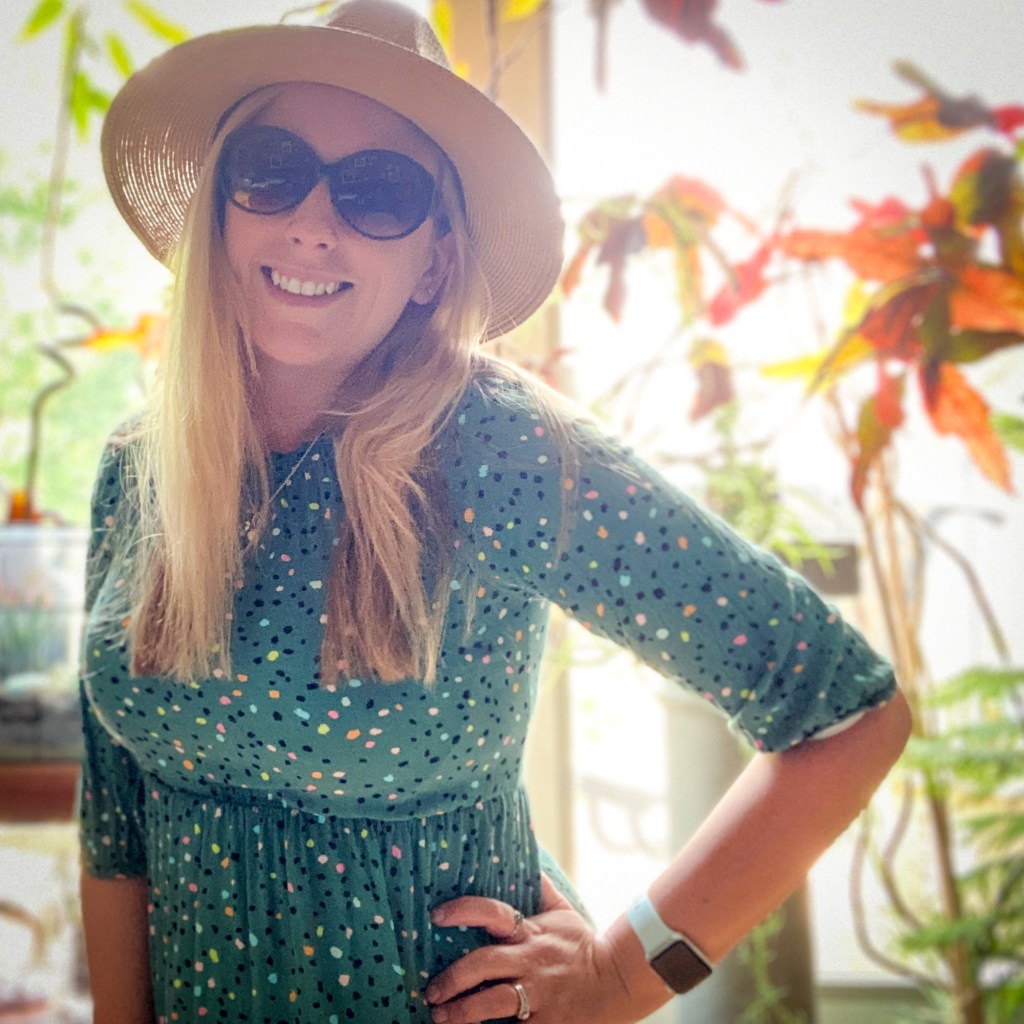
Shopping at thrift stores can help. I used to think this idea was cool in high school, but I have to admit I rarely did it because I was that girl that would have been mortified to admit I bought something at Goodwill. Now, I feel proud when I find something I love, is sustainable, and keeps money in my pocket. Last week I browsed my closest Goodwill and found 5 items for $20. The brands are amazing too: White House, Black Market, Banana Republic, Ann Taylor, etc. The featured shirt in this post is by far my favorite find. I’m so in love with it!
I had a lucky day. Thrift store shopping has that at times, but sometimes it can be a bust. I don’t recommend going in looking for something specific, but just be open-minded to what fits you well and matches who you are.
New to thrift store shopping? Here are some tips I follow:
- Think about the fabric-is it piling already? Will it last?
- Check for stains, holes, and other dealbreakers you may have.
- Try it on-many stores have dressing rooms, but wear tight fitting clothing when you go shopping (just in case they don’t).
- Buy off-season-this section will be less picked over.
- Look at name brands-are they ones you trust or like?
- What’s on sale? Many stores have tags with colors and offer deals for certain colors on certain weeks.
- Wash your clothes before you wear them. I’m sure you can see why I think this is important.
- Visit different stores to increase your selection.
- Go beyond clothing. Need a cast-iron skillet? Looking to make something with the Cricut? Maybe you don’t need to go on Amazon to find what you are looking for.
- Don’t feel discouraged if it wasn’t a good trip. You won’t always find something, but when you do, it is pretty sweet.

-
Whole-Food, Plant-Based Day 15
Whole-Food, Plant-Based Diet Day 15: This theme of posts is a lot more challenging to write about. I’m watching these videos and reading facts and my heart just hurts. I wish I would have made this change sooner. Don’t read the research below if you don’t feel you can handle it.
Research: In my head, I pictured these cows grazing on grass and then at a ripe, old age, it was time to go. I thought that death was quick and as painless as possible. Perhaps that is just what I wanted to tell myself. This is not the case. Without getting into too much detail, animals are often not killed instantly. At times, they are being scalded or gutted while still alive (not to mention also hung upside down). That’s as far as I’m going to go for today.
Resource: Peta (https://www.peta.org/issues/animals-used-for-food/) the documentary, Earthlings, is also a good one (https://www.youtube.com/watch?v=8gqwpfEcBjI&t=4133s)
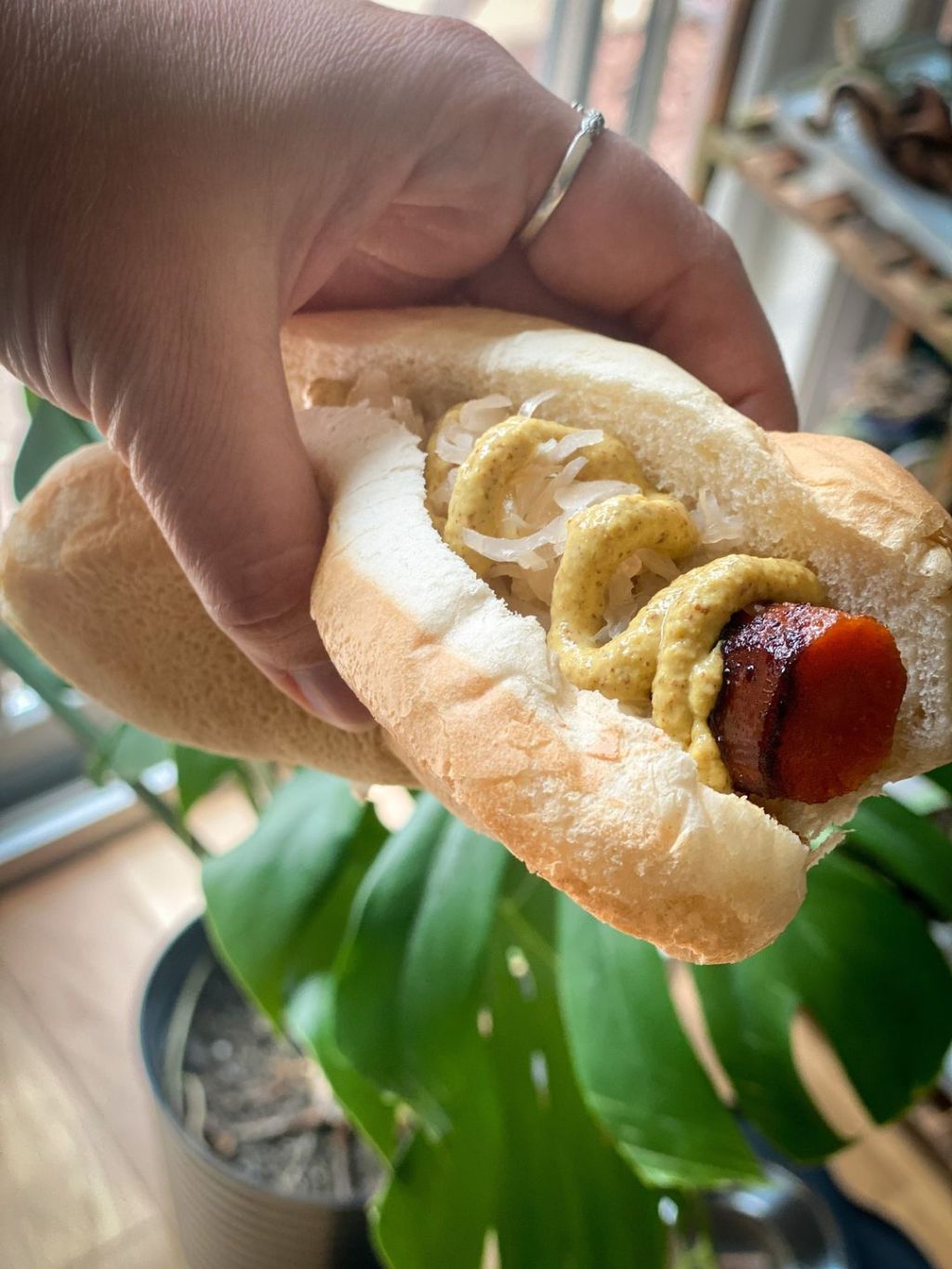
Recipe: I used to love hot dogs, but I sure couldn’t eat one of those now. But guess what, I’m not missing out because of wait for it…carrot dogs! I was very skeptical too. It will taste like a carrot on a bun, right? Nope. I tried the recipe I’m sharing and I think I want to alter the marinade a bit (I did add liquid smoke) and I need to boil my carrots just a little bit longer. Other than that, the carrots definitely picked up the flavor of the marinade and it was good. I look forward to perfecting my own recipe for this. (Ignore the bun, I just needed to use up some from a party).
-
Whole-Food, Plant-Based Day 14
Whole-Food, Plant-Based Day 14: My first transition from eating meat was to pescatarian. It is kind of strange that I struggled to give up seafood since that is something I only recently started to like. Below are some reasons to give up fish along with all meats, dairy, and eggs.
Research: Michael introduced me to the resource, Vox, and I love how they break down information. One issue with still eating seafood is that it takes a lot more killing of fish because they are so small. “According to one estimate, humans catch or farm at least 840 billion to 2.5 trillion fish each year — at least 11 times the combined number of cows, chickens, and pigs slaughtered globally, even though seafood makes up just 17 percent of the world’s animal protein intake.”
It seems that fish may not be as mindless as we thought. “Scientists have amassed evidence over the past 20 years that fish are sentient — that they feel pain, experience emotions, and engage in complex social behavior that we once thought was limited to humans and land animals”
I’ve also learned that it isn’t just fish that get caught in these nets. Sharks, whales, and dolphins can also be killed in this process.
Resource: https://www.vox.com/…/pescetarian-eating-fish-ethics…
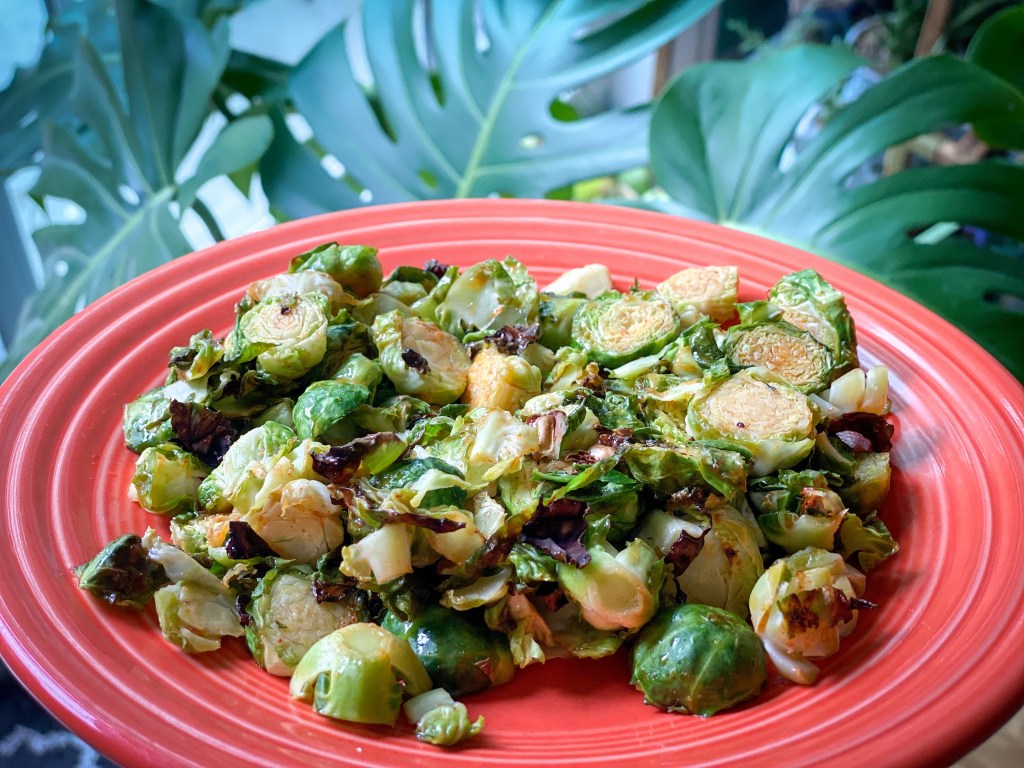
Recipe: When I went to a vegan restaurant a couple of weeks ago, I had an amazing appetizer called sweet hot brussels sprouts. I loved the dish, but I could tell that the brussels sprouts had been deep fried. This is not necessary and now just more vegan junk food. I decided to create my own recipe at home. This definitely has a kick, so if you don’t like spicy food, it may not be for you.
Ingredients: 1 bag of fresh brussels sprouts (cut into slices),1/4 cup vegetable broth, favorite seasonings (I used garlic powder, onion powder, and smoked paprika), 2 tbsp sriracha, 2 tbsp agave nectar (you could use honey if you aren’t concerned about the vegan aspect)
Directions: Mix together the vegetable broth and spices in a bowl. Toss the cut brussels sprouts in the mixture. Spread out on parchment paper and roast in the oven for 20 minutes at 425. While that is baking, mix together the sriracha and agave nectar in a bowl. Take out the brussels sprouts and put in a nonstick pan, Drizzle sriracha/agave nectar sauce on the brussels sprouts and sauté for a few minutes. Done and yum!
-
Whole-Food, Plant-Based Day 12 and 13
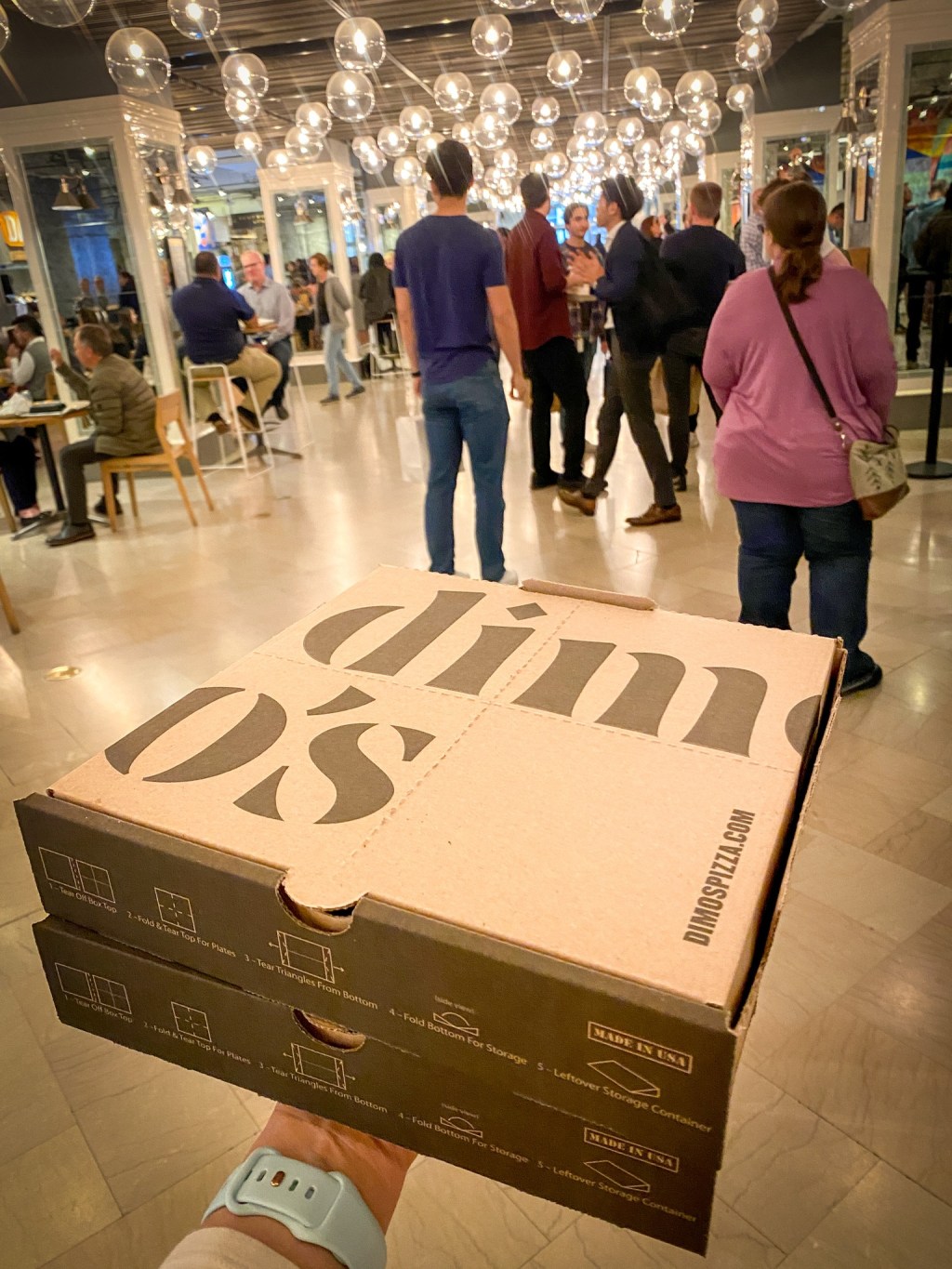
Whole-Food, Plant-Based Day 12 and 13: Yesterday was a little busy, so here are two days packed into one.
Some may say, but isn’t being a vegetarian enough? Why do you have to give up dairy and eggs? Those animals don’t die. Here is why.
Research: Let’s start with dairy. Here is a quote from a New York Times article, “The typical dairy cow in the United States will spend its entire life inside a concrete-floored enclosure, and although they can live 20 years, most are sent to slaughter after four or five years when their milk production wanes.” The calf is typically taken from the mother within 24 hours. If it is male, it will most likely be sent off to become veal. Although the female cows won’t die right away…this is not a life. Not to mention, cows care for their offspring-they are sentient creatures. This is traumatic for both the mother and baby.
Now on to eggs. According to Vox, “Chickens suffer the most of all the animals, they’re in the worst conditions, and you kill more chickens in the typical American diet than you do beef cows or dairy cows, simply because those animals are so much larger.” I won’t go into the details about the living conditions or harm done to egg-laying chickens, but by buying eggs from the store, this behavior is condoned. I am not going back to eggs for health reasons, but I think buying eggs from a local farm would be a more ethical option for animals.
Resource: https://www.nytimes.com/…/dairy-farming-cows-milk.html and https://www.vox.com/…/eggs-chicken-effective-altruism
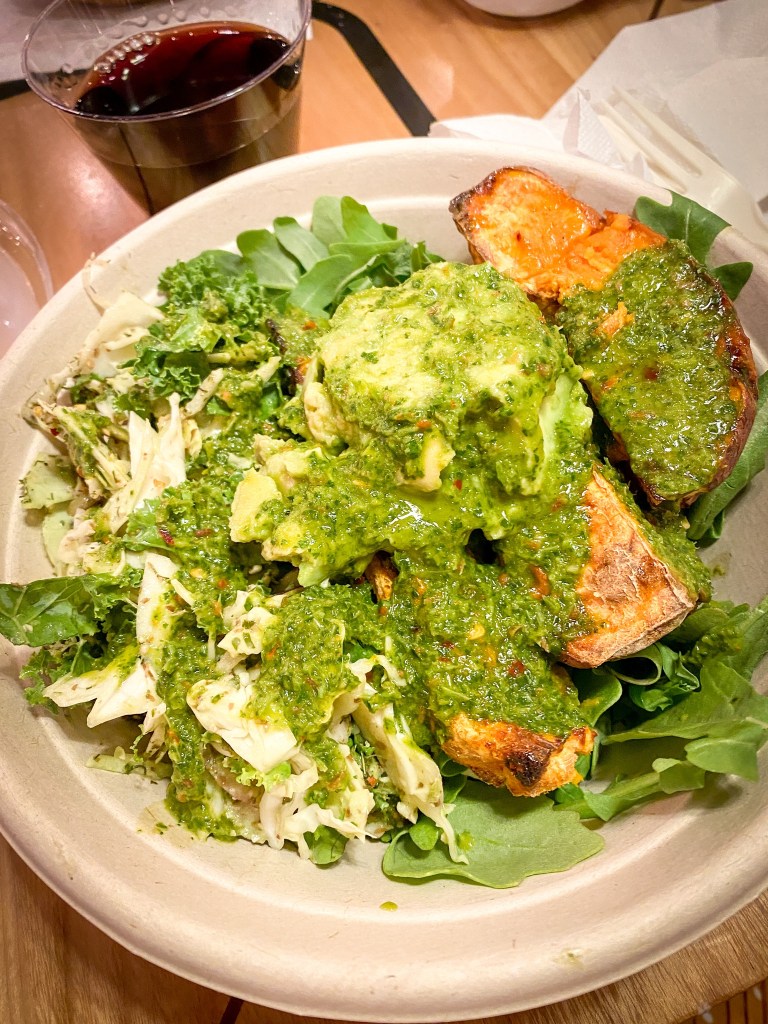
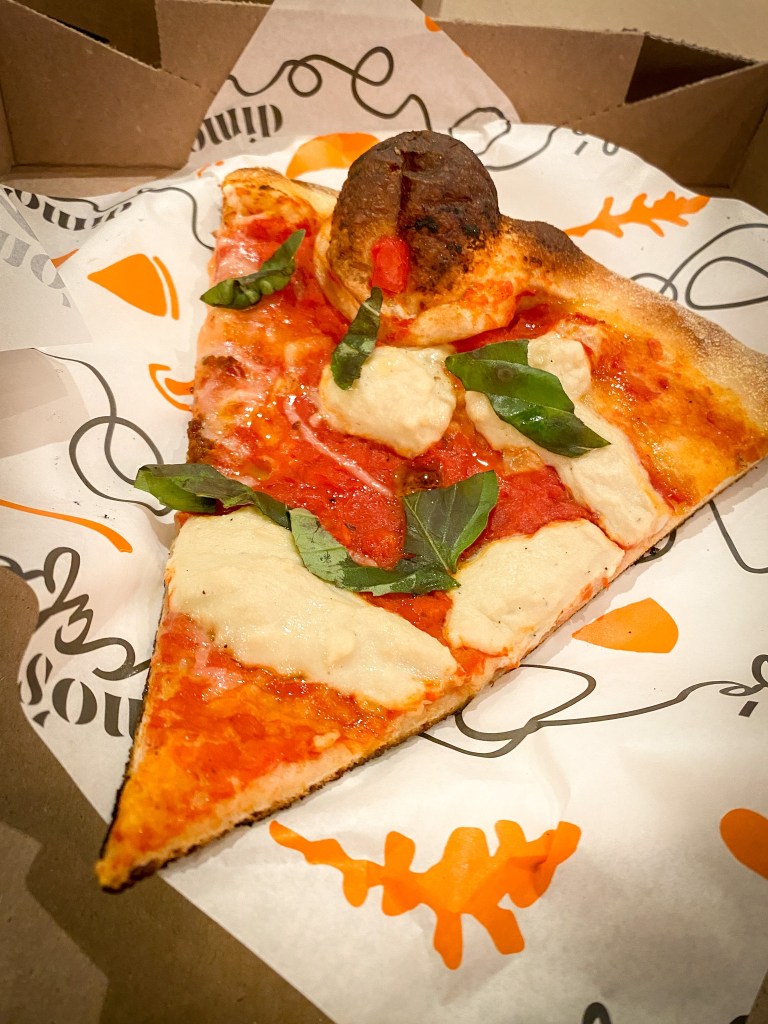
Food Tip: Going out to eat is a different experience now. Although there are an abundance of options available, I have found that looking at menus ahead of time and checking out the app, Happy Cow, is very helpful. Below you will see some vegan finds from my trip to Chicago yesterday.
-
Whole-Food, Plant-Based Day 11
Whole-Food, Plant-Based Day 11: Okay, we are jumping to a new theme: animals. Each of these reasons carry equal weight for me, but this is the reason I don’t “cheat” now and then. As we explore this topic over the next few days, I promise I will not show images that are disturbing, however, some of the resources I share may get into that if you choose to dive deeper. I will be sure to note that in case you don’t feel comfortable-but maybe it is good to feel uncomfortable.
Research: Have you ever wondered why we eat meat? I have always been an animal lover and feel such deep empathy towards animals. As a kid, I cried in a movie just because a gorilla didn’t have a friend. So how could I feel that way, but knowingly eat animals? Conditioning. Dr. Melanie Joy has done research on this exact topic and has published a book called Why We Love Dogs, Eat Pigs, and Wear Cows. Her work gets into how perfectly kind, good people can be okay with murder. The conditioning all stems around defense mechanisms such as denial , hidden information, and information we have been fed about needing meat for good health, but when we look at truth, we can see that this is not an ethical choice.
Resource: This one is pretty brutal starting at 8 minutes and not for the faint of heart. This 17 minute video gets into why we find it acceptable to eat some animals, but not others and how we have been conditioned. https://youtu.be/ao2GL3NAWQU
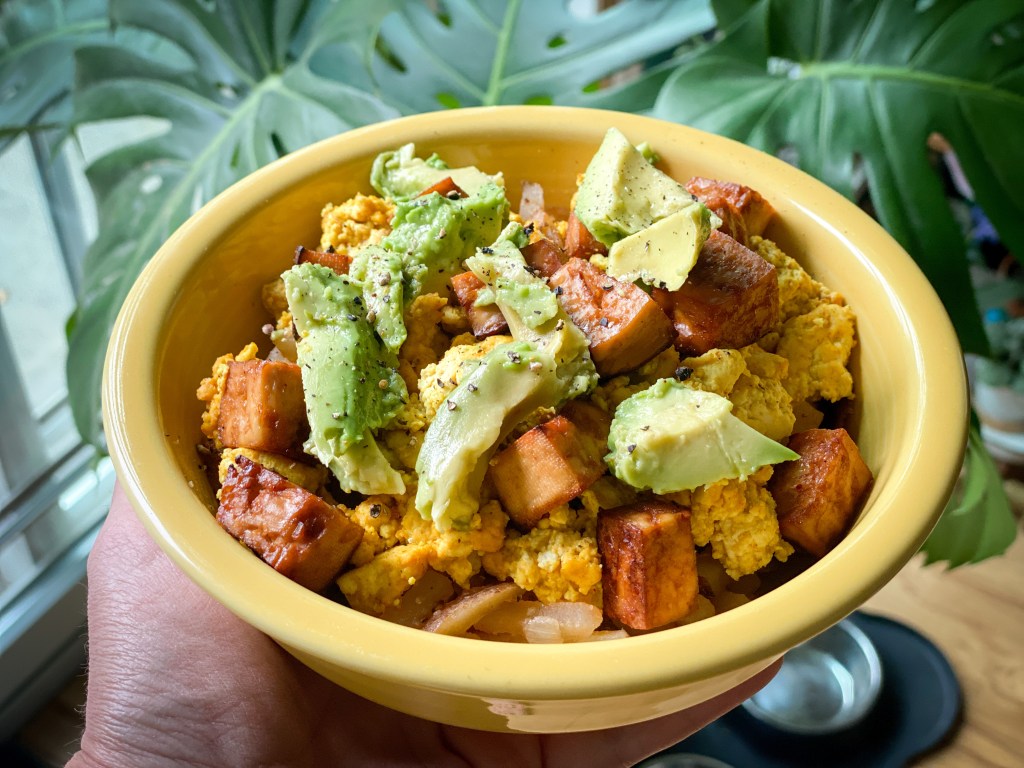
Recipe: Okay, so I don’t want bacon after seeing that, but I do love the taste of bacon. Today I tried a new recipe that had me marinating tofu in a “bacon-flavored sauce” and then I air-fried it to get it more crispy on the outside. I know I’m not eating bacon, but it tastes so good and no one was hurt in this process. The picture shows chunks on a breakfast bowl with potatoes, “eggs”, and avocado.
Here is a link to some different tofu marinades. I have substituted vegetable broth for oil. https://www.liveeatlearn.com/tofu-marinades/
I tried cutting the tofu in chunks and thin strips. The chunks were good, but for a more true-to-bacon approach, I recommend the thin strips. This would be great for a BLT!
Subscribe To My Newsletter
Subscribe for new content.

