
It Begins
The story behind the blog.


-
Whole-Food, Plant-Based Day 10
Whole-Food, Plant-Based Day 10: Today is the last day we will be exploring why this is the best diet for health reasons. I’m going to finish with some more interesting perks.
Research: Besides reducing/reversing risks of cancer, heart disease, diabetes, stroke, and a myriad of other health issues, a WFPB diet can also do the following:
1) reduce the risk of food-borne illness since you aren’t working with meat
2) save money (not necessarily health-related, but helps with mental health)
3) trying new foods and cooking methods (build that plant diversity!)
4) great for digestion and elimination (if you know what I mean)
5) get to eat great quantities without feeling like you have to count calories
6) easier to manage weight
7) you produce less mucus
8) improved skin and less acne
9) decreased joint pain
10) feeling more calm, peaceful, and connected with nature.
Resource: Derek Simnett has been plant-based since 2011 and is a Certified Nutritional Practitioner https://www.youtube.com/watch?v=0C7tNryhXEQ
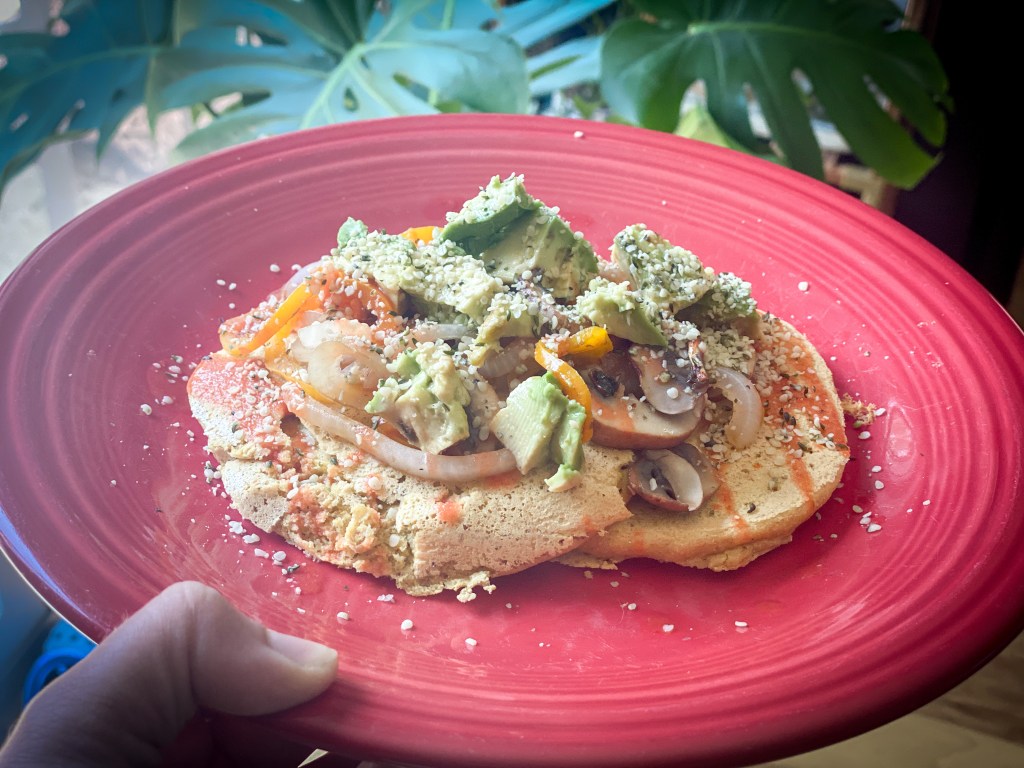
Recipe: I was worried about losing savory breakfast meals when I first started this because that is one of my favorite things in life. This was the first egg substitute I came across. Although I wouldn’t necessarily compare this to eggs, I do think it is a good savory recipe. I love to top it with sautéed onion, peppers, mushrooms, as well as a good dose of hot sauce and avocado. It is so filling and full of good things. https://www.forksoverknives.com/recipes/vegan-breakfast/chickpea-omelet/
-
Whole-Food, Plant-Based Day 9
Whole-Food, Plant-Based Day 9: Have you ever wondered what our physiology says about what we should eat? People have tried to sell blood type diets, paleo diets, etc., but the way we are built says so much more about what we should eat. So, let’s take a look.
Research: Let’s start with teeth. Both the Forks Over Knives and What the Health documentaries point out that our teeth are most similar to frugivores and herbivores. Look up what the teeth of omnivores and carnivores look like. Our teeth are built for plants.
The same goes for our intestines. Carnivores have a shorter intestine whereas we have a longer intestine so we can digest cellulose in plants. Our bodies seem to be saying plants are our friend.
Resource: What the Health and Forks Over Knives
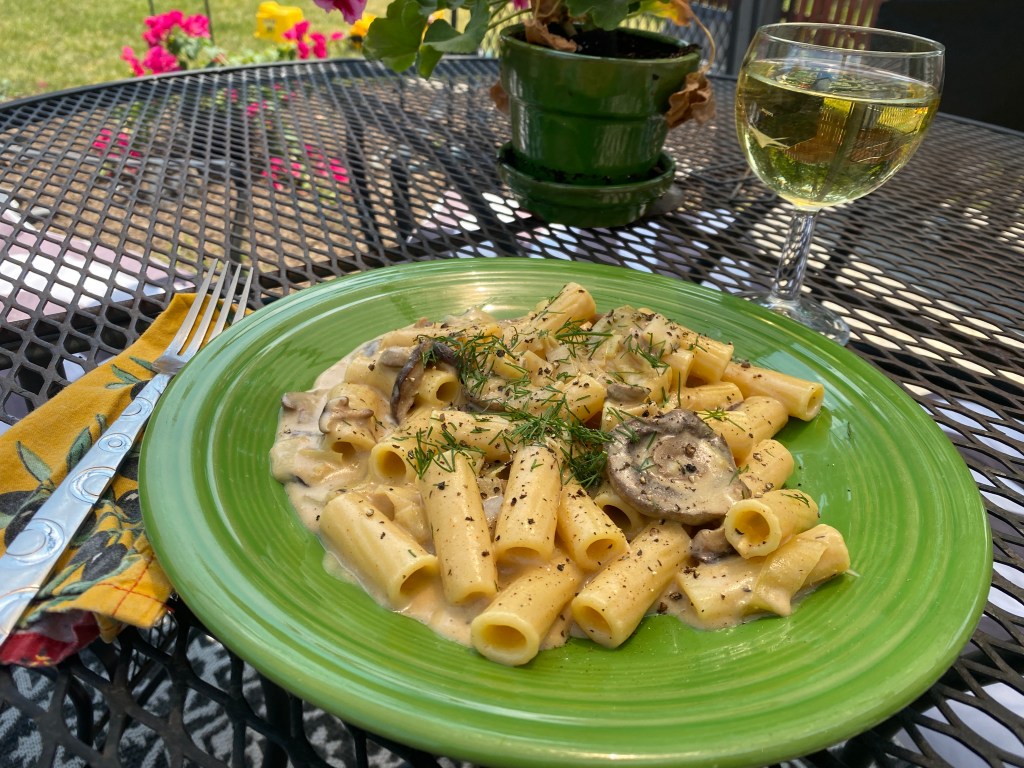
Recipe: I don’t really like leeks or dill…yet. I’m trying. I think people who like leeks and dill would enjoy this recipe.
Creamy Vegan Mushroom Stroganoff: https://rainbowplantlife.com/creamy-vegan-mushroom…/
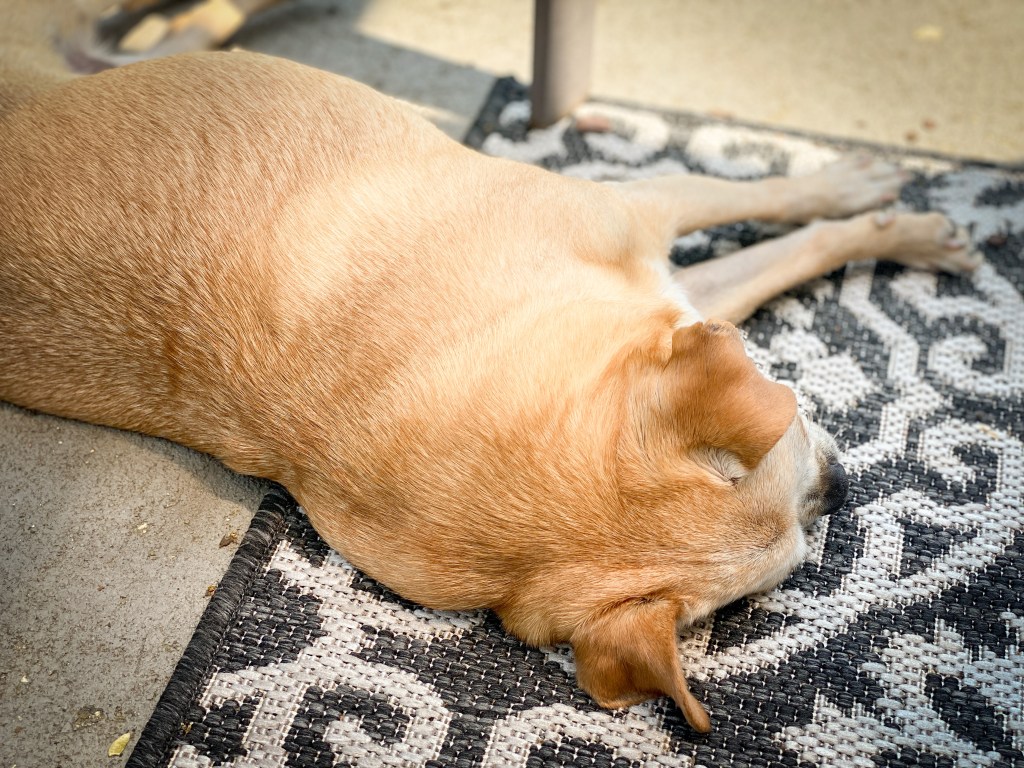
Belle was enjoying lunch outside with me.
-
Whole-Food, Plant-Based Day 8
Whole-Food, Plant-Based Day 8: “The calculus of aging offers us two options: We can live a shorter life with more years of disability, or we can live the longest possible life with the fewest bad years. As my centenarian friends showed me, the choice is largely up to us.” – Dan Buettner
Research: Dan Buettner has been studying the Blue Zones for more than two decades, and one thing he found was that our traditional cuisine is plant-based. This shows that this way of living is not revolutionary, but in fact, part of our past.
Resource: https://www.bluezones.com/blue-zones-kitchen/
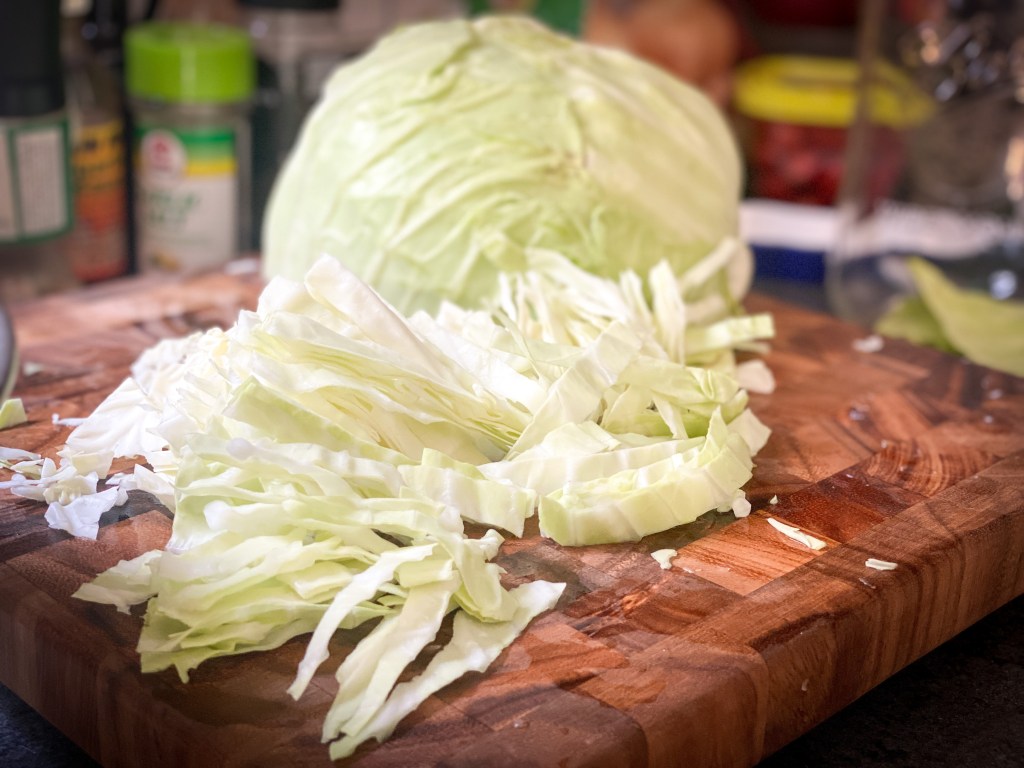
Recipes: Fermented foods are part of our past too. They offer such great benefits for our microbiome. Kombucha, miso, sauerkraut, kimchi, sourdough bread… These are all options that should be added to a healthy diet. Today I am attempting two ways to add fermented foods to my life. The first recipe is for a sauerkraut (I added caraway seeds since I like Bavarian style) and the second recipe is for a sourdough starter.
Sauerkraut: https://plantbasedcookingshow.com/2019/12/01/sauerkraut/
Sourdough Starter: https://littlespoonfarm.com/sourdough-starter-recipe/
I also wrote a post about the origin of my starter’s name in case you are interested
 . https://feettotheearth.blog/2023/06/08/meet-levain-loo-vahn/
-
Meet Levain (loo-vahn)
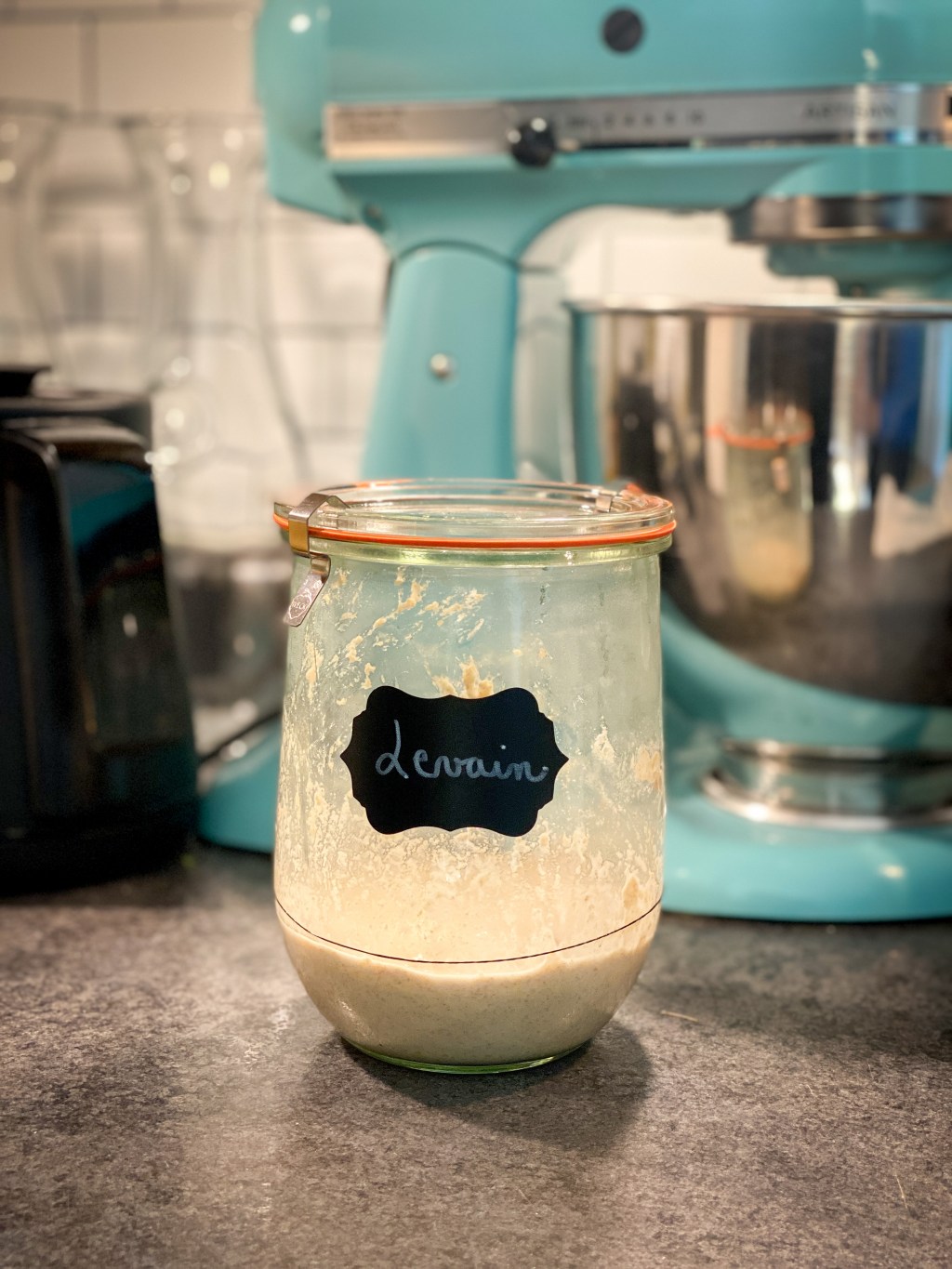
Fermented foods are part of F GOALS according to Dr. B, so I’m expanding my opportunity to make fermented goods at home. I’d like for you to meet Levain (loo-vahn), my sourdough starter I am working on. She is just a baby right now, but someday she will be producing all kinds of sourdough goodness.
Many people name their sourdough starters because they become a part of the family (sort-of). This starter can last for decades and decades (maybe even generations) and can be used for all kinds of carb-alicious items such as bread, pizza crust, crumpets, and more. Levain’s name stems from a boulangerie in Paris that I frequented. This bakery was accessed through a beautiful walk in the Marais, my home arrondissement for a month in 2013. I just loved the atmosphere there and one of my favorite photos I took was of this very bread haven. Sometimes they have an awning out that says “Au Levain du Marais”. Levain means to leaven or sourdough. Hence, my new food baby, Levain. Click here if you want to hear the beautiful pronunciation.
If you are interested in trying your own sourdough starter, there are a myriad of recipes. I just happened to try this one. Baking and accuracy are not my strength, so hopefully Levain will have a long and prosperous life.
https://littlespoonfarm.com/sourdough-starter-recipe/

-
Morning Ritual
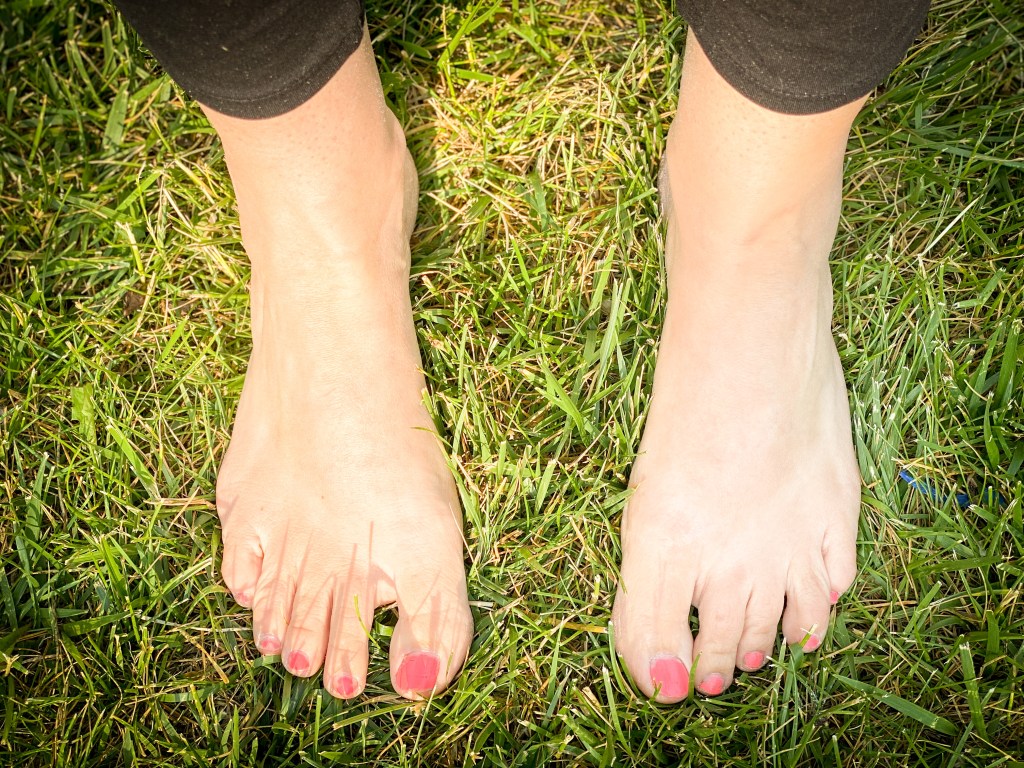
Each morning, I have a routine I follow, and just recently I’ve added a new element.
My morning begins with a walk with Belle. It doesn’t matter the weather, I walk Belle everyday. I think this is so important for her, and it gives me a chance to start my day outside. Our walk is brief (especially during the school year), but that is okay. We have seen beautiful skies, walked alongside a fox, felt the peace of snow falling, and let our minds wander as we walk in silence.
Once we return, it is time for tea and breakfast. In the summer I opt for an Earl Grey Green Tea and in the winter I prefer an Earl Gray Black Tea. My breakfast changes, but I always try to have a diversity of plants to give me a good start. This morning I had Ezekiel 4:9 Sprouted Bread, organic peanut butter, bananas, cinnamon, flaxseed, hemp seed hearts, and chia seeds.
After this, I get dressed and ready for the day, then wake everyone else up to get their day going.
My new favorite part of my morning is my brief yoga stretch I’ve added outside. I got the idea from The Happy Pear. They are happy-go-lucky twin brothers from Ireland who live a plant-based life. The stretches are very basic, but they feel good, and to do them outside just adds a new way to keep my feet to the Earth (literally).
Routine:
- Pigeon Pose
- Trapped Wind Pose (at least that is what they call it)
- Crescent Pose
- Cobra
- Child Pose
I want to include more yoga and meditation in my life, but I’m going to start with something I know I can commit to each day (perhaps inside in the winter). This is so rewarding and simple. Be sure to watch the video to hear why I like doing this outside.
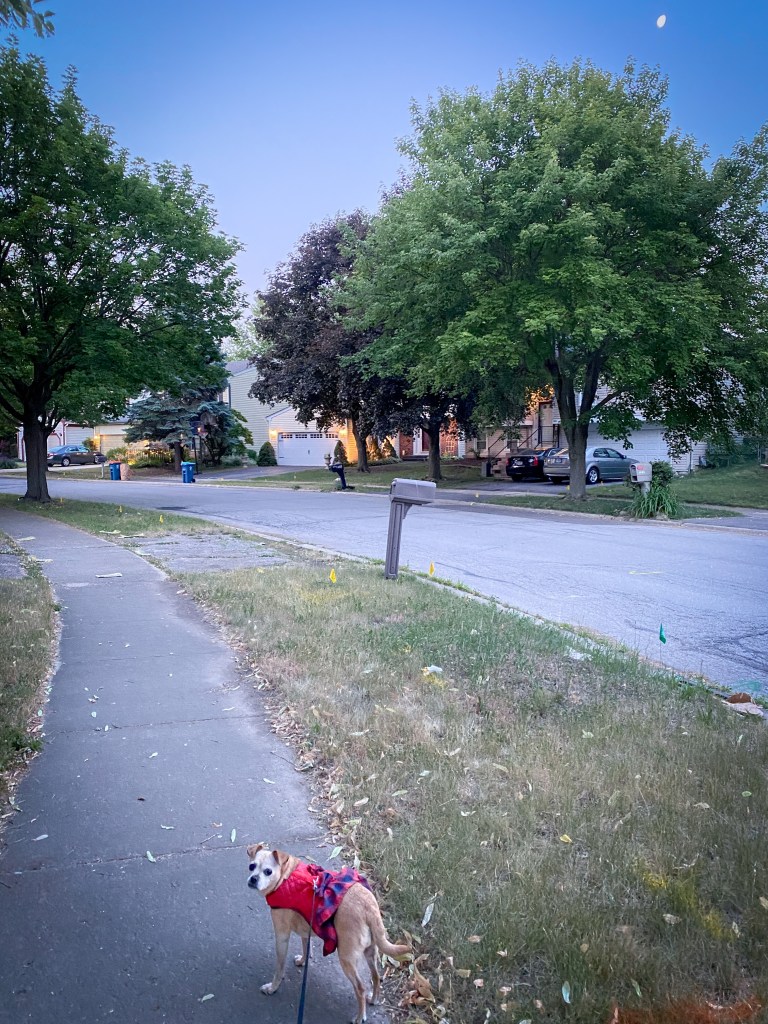
We saw the moon this morning.
Subscribe To My Newsletter
Subscribe for new content.

